How to Choose the Right Fertilizer for Your Crops: A Complete Farmer’s Guide
Published by: Markandashwar Trading
Agriculture is the backbone of our economy, and healthy crops begin with healthy soil. One of the most important decisions a farmer makes is choosing the right fertilizer. The correct fertilizer provides essential nutrients, improves soil fertility, increases crop yield, and enhances the quality of produce. However, using the wrong fertilizer or applying it incorrectly can reduce productivity and waste valuable resources.
In this guide, we’ll explain how to choose the right fertilizer for your crops and use it effectively.
What is Fertilizer?
Fertilizer is a natural or manufactured substance that supplies essential nutrients to plants. It helps crops grow stronger, produce higher yields, and resist pests and diseases.
The three primary nutrients found in most fertilizers are:
- Nitrogen (N): Promotes healthy green leaves and overall plant growth.
- Phosphorus (P): Encourages strong root development and better flowering.
- Potassium (K): Improves fruit quality, disease resistance, and plant strength.
Many fertilizers also contain secondary nutrients such as calcium, magnesium, and sulfur, along with micronutrients like zinc, boron, iron, and manganese.
Why Choosing the Right Fertilizer Matters
Selecting the appropriate fertilizer offers several benefits:
- Improves crop growth and productivity.
- Increases soil fertility over time.
- Enhances fruit and grain quality.
- Reduces nutrient deficiencies.
- Supports healthy root development.
- Maximizes return on farming investments.
Different Types of Fertilizers
1. Organic Fertilizers
Organic fertilizers are made from natural sources such as compost, manure, and plant residues.
Benefits
- Improve soil structure.
- Increase beneficial microorganisms.
- Release nutrients slowly.
- Environmentally friendly.
Examples include:
- Farmyard manure (FYM)
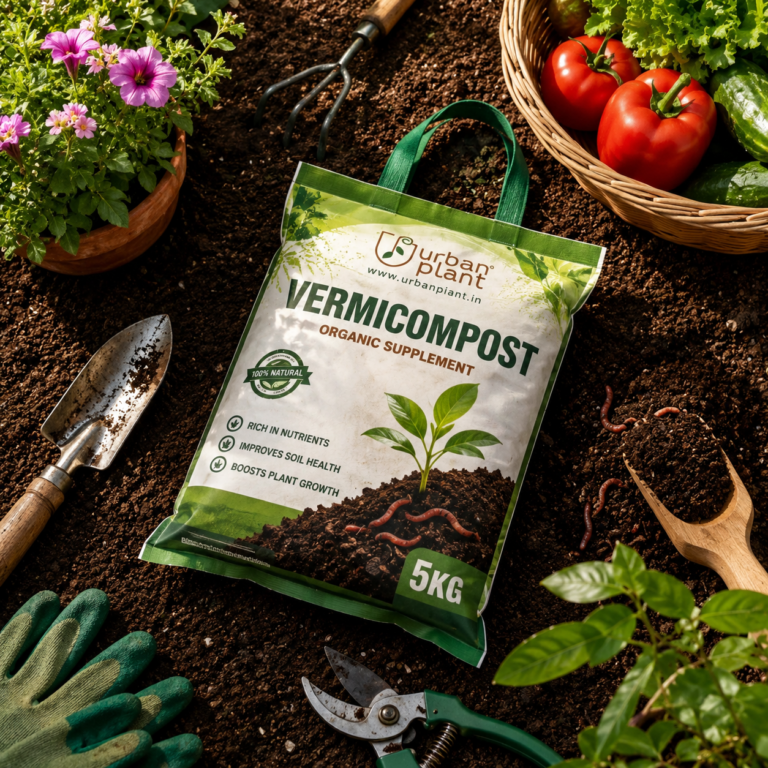
- Vermicompost
- Compost
- Bone meal
2. Chemical Fertilizers
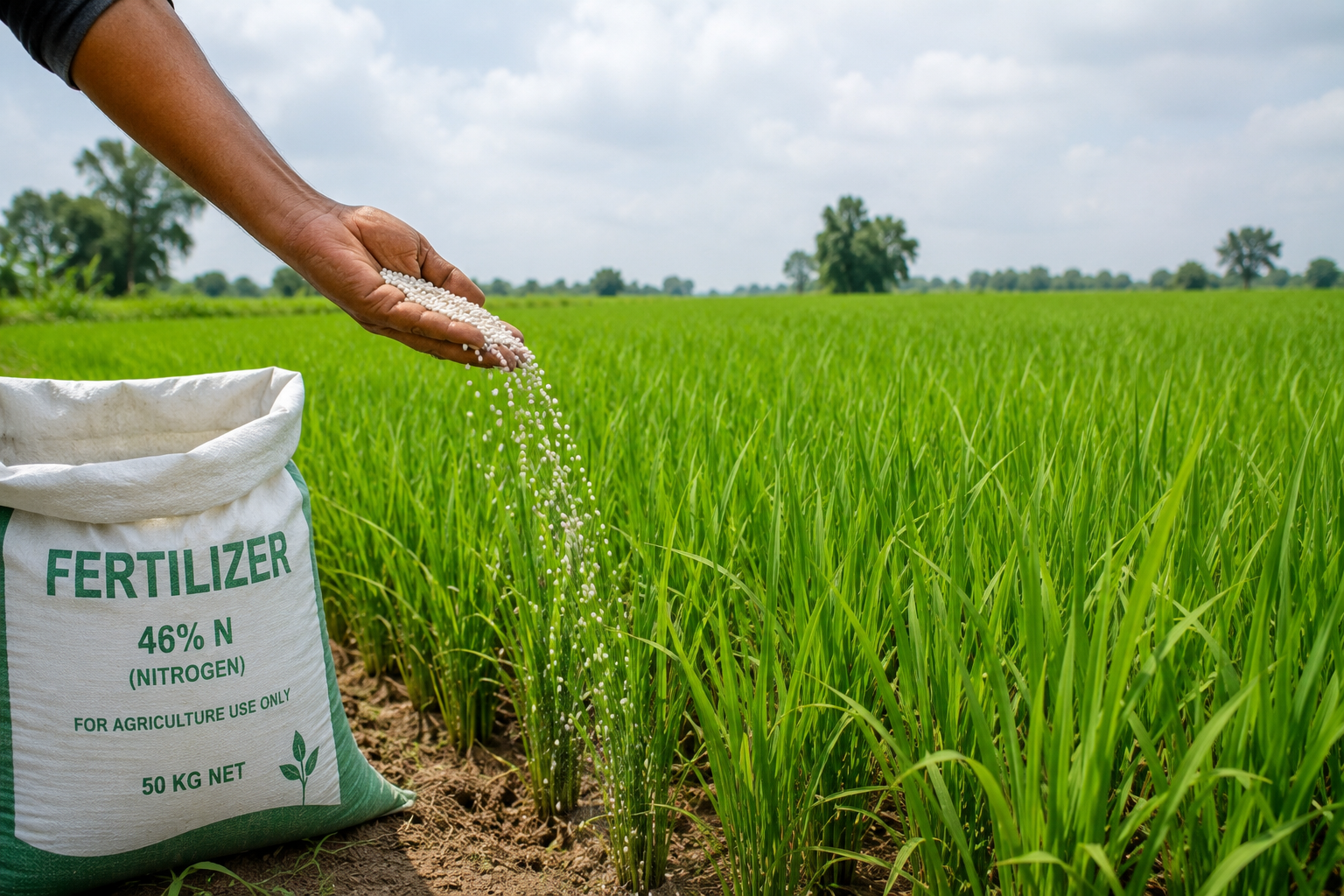
Chemical fertilizers provide nutrients quickly and are widely used in modern farming.
Examples include:
- Urea
- DAP (Diammonium Phosphate)
- MOP (Muriate of Potash)
- NPK fertilizers
Benefits
- Fast nutrient availability.
- Easy application.
- Higher crop productivity when used correctly.
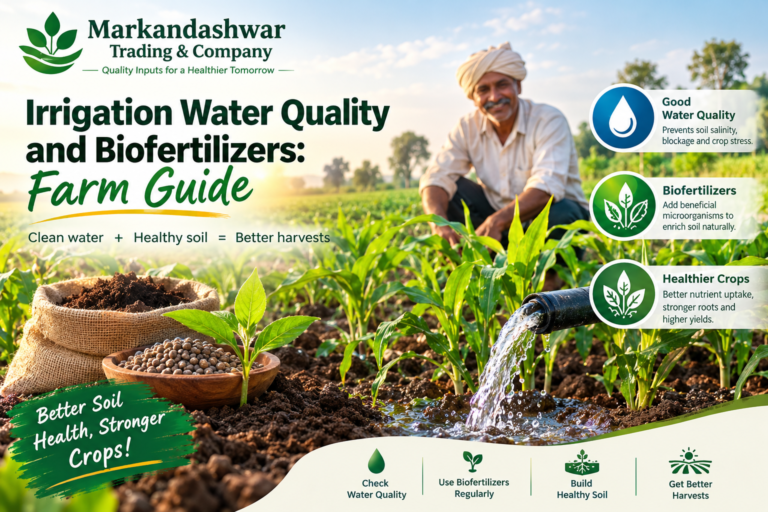
3. Biofertilizers
Biofertilizers contain beneficial microorganisms that improve nutrient availability naturally.
Benefits include:
- Better soil health.
- Reduced chemical fertilizer use.
- Sustainable farming practices.
How to Select the Right Fertilizer
1. Test Your Soil
Before applying fertilizer, conduct a soil test to determine nutrient levels and soil pH. Soil testing helps avoid unnecessary fertilizer use and ensures balanced nutrition for crops.
2. Know Your Crop’s Nutrient Requirements
Different crops need different nutrients.
For example:
- Wheat requires more nitrogen during early growth.
- Rice benefits from balanced nitrogen, phosphorus, and potassium.
- Vegetables often require additional micronutrients for healthy growth.
- Fruit crops benefit from higher potassium during fruit development.
3. Consider the Growth Stage
Plants require different nutrients at different stages.
- Seedling stage: Phosphorus promotes strong root development.
- Vegetative stage: Nitrogen supports leaf growth.
- Flowering and fruiting stage: Potassium improves fruit quality and yield.
4. Follow Recommended Dosage
Applying excessive fertilizer can damage crops and pollute the environment, while insufficient fertilizer may reduce crop growth. Always follow the recommended application rate.
Common Fertilizer Mistakes
Avoid these common errors:
- Applying fertilizer without soil testing.
- Overusing nitrogen fertilizers.
- Applying fertilizer at the wrong time.
- Ignoring micronutrient deficiencies.
- Applying fertilizer before heavy rainfall.
- Using only one type of fertilizer every season.
Tips for Better Fertilizer Use
- Apply fertilizers evenly across the field.
- Water crops after fertilizer application when recommended.
- Store fertilizers in a cool, dry place.
- Combine organic and chemical fertilizers for balanced soil nutrition.
- Monitor crops regularly for nutrient deficiency symptoms.
Benefits of Balanced Fertilization
Balanced fertilization provides:
- Higher crop yields.
- Better grain and fruit quality.
- Stronger roots and stems.
- Improved resistance to pests and diseases.
- Healthier soil for future crops.
- Better profitability for farmers.
Sustainable Fertilizer Practices
Modern farming should focus on sustainability. Farmers can reduce environmental impact by:
- Using organic fertilizers whenever possible.
- Applying fertilizers based on soil test recommendations.
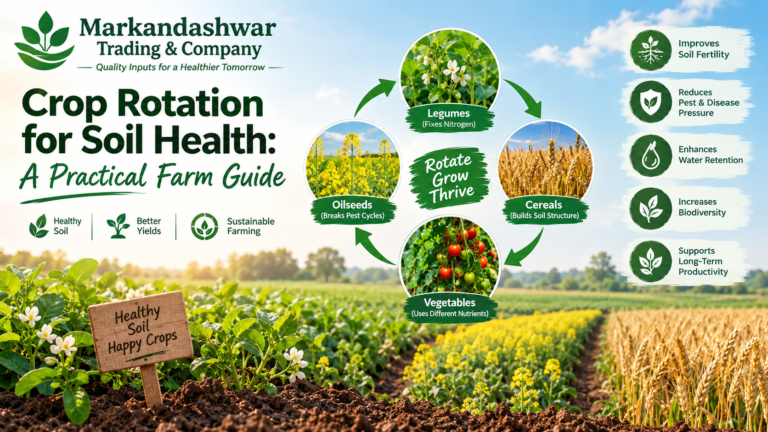
- Practicing crop rotation.
- Conserving water through efficient irrigation methods.
- Reducing fertilizer waste through precise application.
These practices help protect natural resources while maintaining long-term productivity.
Why Choose Markandashwar Trading?
At Markandashwar Trading, we are committed to supporting farmers with high-quality agricultural products and dependable service. We offer a wide range of fertilizers and crop nutrition solutions designed to improve soil health and crop performance. Our goal is to help farmers achieve healthier crops, higher yields, and sustainable agricultural success.
Whether you are growing cereals, vegetables, fruits, or cash crops, we strive to provide products that meet your farming needs and contribute to long-term productivity.
Conclusion
Choosing the right fertilizer is one of the most important steps in successful farming. By understanding your soil, selecting the appropriate nutrients, and applying fertilizers correctly, you can improve crop health, increase yields, and protect soil fertility for future generations.
With informed decisions and quality agricultural products, every farming season can become more productive and rewarding.
Need expert guidance on fertilizers and crop nutrition?
Contact Markandashwar Trading today to find the right agricultural solutions for your farm and take the next step toward healthier crops and better harvests.